10 Common Mistakes in Sterilization of Surgical Instruments and How to Avoid Them

Introduction
Cleaning medical equipment is a critical foundation of safe healthcare practice and effective infection prevention worldwide. When surgical instruments are not properly cleaned, disinfected, and sterilized, they can become vectors for harmful microorganisms, increasing the risk of complications, delayed recovery, and healthcare-associated infections.
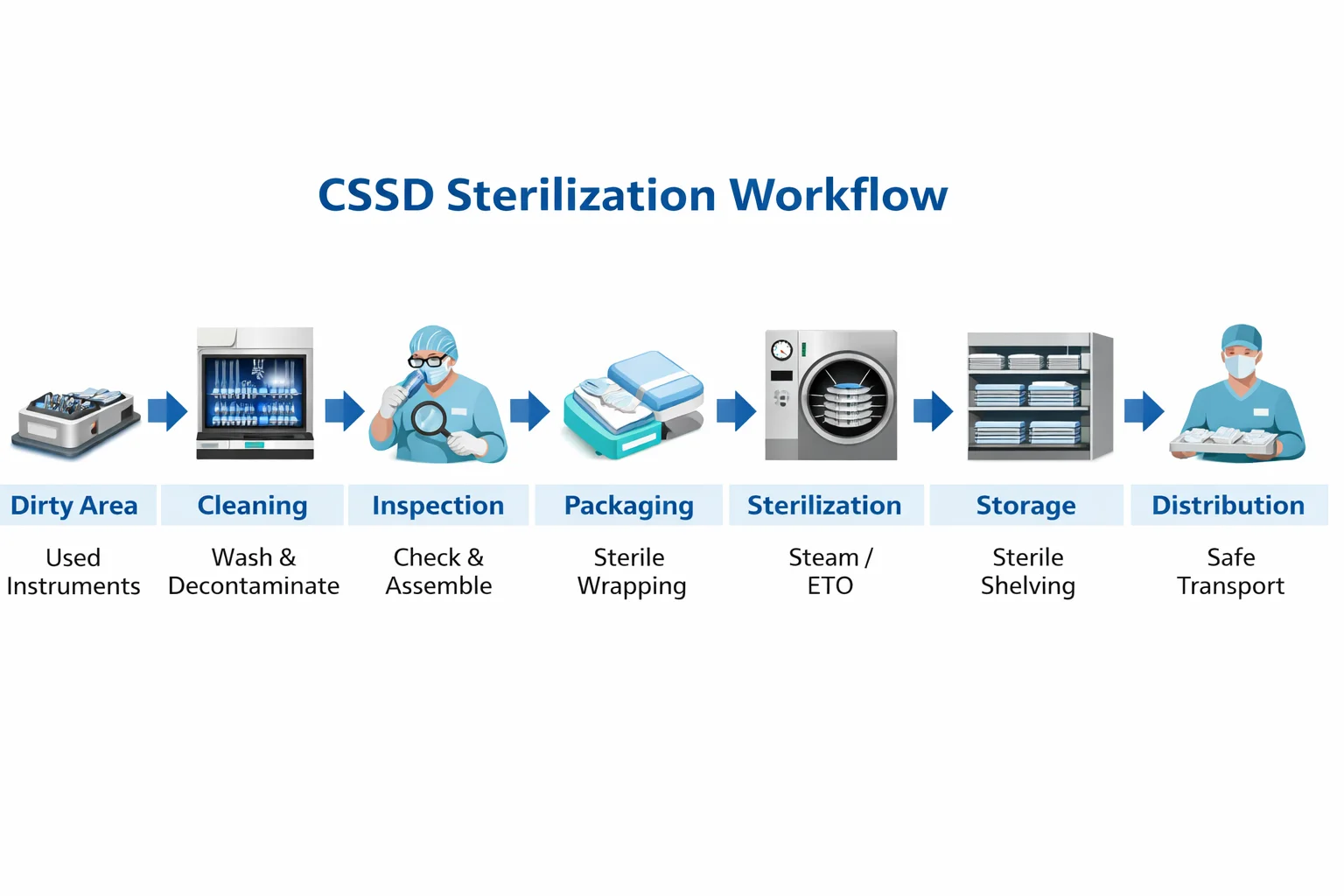
Sterilization is not a single action. It is a multi-step process that begins with adequate pre-cleaning, continues through validated sterilization methods, and ends with correct storage and handling. Each stage must follow standard guidelines and protocols to ensure patient safety and instrument integrity.
Global healthcare organizations emphasize that errors in reprocessing often result from inadequate cleaning, incorrect documentation, insufficient staff training, or improper handling after sterilization. Even minor oversights, such as using saline instead of sterile water or ignoring drying of instruments, can lead to corrosion, bioburden persistence, and reduced equipment lifespan.
This guide explains the most common mistakes in sterilization and how to prevent them. It draws on international standards, research findings, and established best practices to support safe and consistent cleaning surgical instruments in hospitals, clinics, and research facilities. The goal is to provide clear, educational guidance that supports evidence-based practice and strengthens infection prevention programs worldwide.
For foundational guidance on infection risks, see this reference on instrument cleaning and infection prevention and this systematic review on environmental contamination and HAIs. Additional background information is available on the main knowledge hub at https://www.aksurgicalpro.com/.
Understanding and Preventing Sterilization Errors
1 Inadequate Pre-Cleaning and Bioburden Retention

Inadequate pre-cleaning is one of the most frequent causes of sterilization failure. Organic debris, blood, and tissue can shield microorganisms from heat or chemicals.
Key issues include:
- Delayed cleaning after use
- Incomplete removal of visible soil
- Failure to use enzymatic spray
Without proper pre-cleaning, sterilization methods become ineffective. Bioburden elimination must occur before disinfection or sterilization begins.
2 Incorrect Cleaning Methods and Chemical Use

Using unsuitable detergents, hard water, or incorrect concentrations leads to instrument staining, pitting, and corrosion.
Common problems:
- Using household detergents
- Ignoring water quality
- Mixing incompatible chemicals
Proper cleaning medical equipment requires neutral or enzymatic solutions designed for medical use. Sterile water should replace saline to avoid mineral deposits.
3 Overloading the Sterilizer

Overloading sterilizers restricts steam or gas circulation. This creates uneven exposure and leads to wet packs and incomplete sterilization.
Consequences include:
- Delayed surgeries
- Increased contamination risk
- Regulatory non-compliance
Load configuration must follow manufacturer guidelines and facility protocols.
4 Incorrect Cycle Selection and Parameter Settings

Selecting the wrong sterilization cycle compromises safety.
Common errors:
- Incorrect temperature and pressure settings
- Wrong exposure time
- Using steam for heat-sensitive tools
Facilities must match sterilization methods (steam, ethylene oxide, hydrogen peroxide plasma) to instrument materials and design.
5 Ignoring Drying and Moisture Control

Moisture supports microbial survival and corrosion. Ignoring drying of instruments increases contamination risk during storage.
Risks include:
- Wicking of microorganisms
- Packaging breakdown
- Surface oxidation
Drying instruments thoroughly is essential after every cycle.
6 Improper Packaging and Wrapping
Improper packaging prevents sterilant penetration and compromises sterility maintenance.
Mistakes include:
- Using damaged wraps
- Overpacking trays
- Incorrect sealing
Packaging should allow airflow while maintaining barrier protection.
7 Insufficient Monitoring and Documentation

Biological indicators and testing validate sterilization effectiveness. Failure to use them weakens quality assurance.
Problems include:
- Missing chemical indicators
- Incomplete logs
- Incorrect documentation
Accurate records support regulatory compliance and audit readiness.
8 Improper Handling After Sterilization

Improper handling after sterilization exposes instruments to contamination.
High-risk practices:
- Bare-hand contact
- Crowded storage
- Cross-contamination
Sterilized instruments must be transported and stored in controlled environments.
9 Inadequate Staff Training and Communication

Staff training on sterilization processes ensures consistency. Communication issues between SPD and operating teams increase error rates.
Key gaps:
- Lack of certification
- Outdated procedures
- Poor SPD–OR collaboration
Continuous education supports safe cleaning medical equipment and improves surgical outcomes.
10 Neglecting Instrument Maintenance and Inspection

Ignoring signs of damage or wear reduces instrument performance and safety.
Examples:
- Misuse of hemostats
- Over-clamping pressure
- Poor lubrication
Regular inspection and maintenance prevent preventable damage and support precision instruments.
Comparison of Sterilization Methods
| Method | Temperature | Suitable Instruments | Key Limitations |
|---|---|---|---|
| Steam | High | Metal tools | Heat sensitivity |
| Ethylene Oxide | Low | Delicate devices | Long aeration |
| Hydrogen Peroxide | Low | Optical tools | Material limits |
Summary: Why Prevention Matters
Mistakes in sterilization lead to preventable harm, financial losses, and reputational damage. By addressing inadequate pre-cleaning, wrong sterilization cycles, insufficient training, and improper storage, healthcare facilities strengthen infection prevention and control programs.
Consistent cleaning surgical instruments, supported by evidence-based protocols, protects patients, staff, and healthcare systems. When combined with monitoring, education, and maintenance, these practices create resilient reprocessing environments.
Frequently Asked Questions (FAQs)
What is the difference between cleaning and sterilization?
Cleaning removes visible soil and organic matter. Sterilization destroys all microorganisms, including spores.
How soon should instruments be cleaned after use?
Instruments should be cleaned immediately after use to prevent drying of contaminants and biofilm formation.
Why are biological indicators important?
They verify that sterilization conditions were sufficient to eliminate microorganisms.
Can damaged instruments be safely sterilized?
Damaged tools may retain debris and should be repaired or replaced before reprocessing.
What causes wet packs after sterilization?
Overloading, poor packaging, and insufficient drying commonly lead to moisture retention.
How does staff training improve sterilization safety?
Training ensures correct procedures, reduces variability, and improves regulatory compliance.